



How to Choose a Mobile Crusher for a Stone Quarry
Choosing the right mobile crusher is one of the most important decisions for a quarry, aggregate plant, road construction project or construction waste recycling business. The correct machine can improve production efficiency, reduce transportation costs, control wear-part expenses and help produce aggregate that meets your local market requirements.
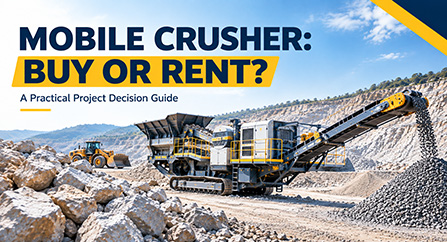
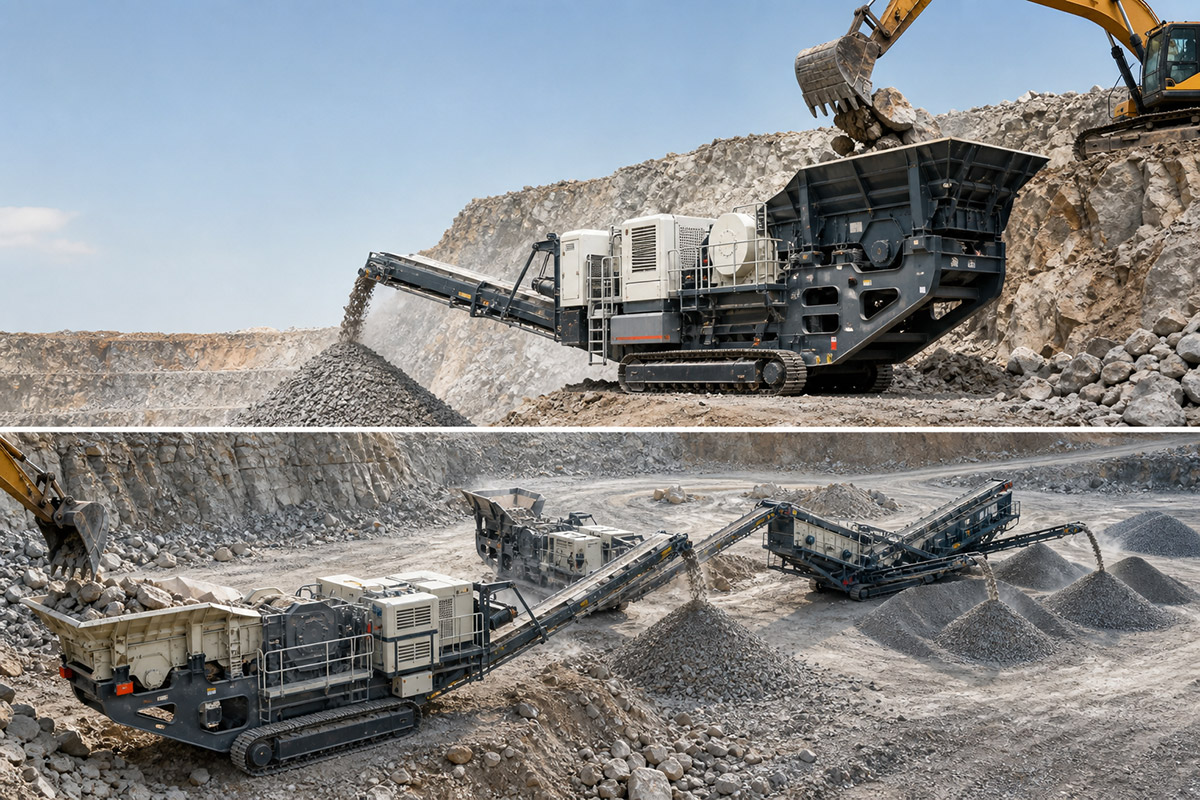
A mobile crusher is a portable crushing machine installed on a tracked chassis or wheeled chassis. It can move between different job sites and process materials close to the mining area, quarry face or demolition site. Compared with a fixed crushing plant, a mobile crushing plant offers faster installation, flexible relocation and lower civil-construction requirements.
Quick answer: A mobile jaw crusher is usually the best choice for primary crushing of hard stone such as granite, basalt and river stone. A mobile impact crusher is suitable for limestone, concrete recycling and materials requiring better particle shape. A mobile cone crusher is commonly used after a jaw crusher to produce smaller and more uniform aggregate from hard rock.
Why Use a Mobile Crusher for Quarry Production?
Mobile crushers are widely used in quarrying, mining, aggregate production, road construction and recycling projects. They can crush large stones directly at the job site, which reduces the need to transport raw materials to a stationary crushing plant.
For contractors working on multiple projects, a tracked mobile crusher can be transported from one site to another. This is especially useful for temporary quarry projects, infrastructure construction, mountain-road projects and construction waste recycling operations.
| Advantage | Benefit for Your Project |
|---|---|
| Flexible movement | The mobile crusher can move between quarry areas, mining sites or construction projects. |
| Fast installation | Less civil work is required compared with a stationary stone crushing plant. |
| Lower transport cost | Raw materials can be crushed closer to the excavation or demolition area. |
| Multiple applications | Suitable for granite, basalt, limestone, river stone, concrete waste and asphalt waste. |
| Easy plant expansion | Additional mobile screens, conveyors or secondary crushers can be added when output increases. |
Step 1: Know Your Raw Material Before Choosing a Mobile Crusher
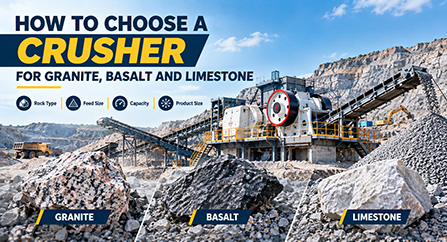
The material type is the first factor to consider. Different rocks have different hardness, abrasiveness, moisture levels and feeding sizes. A crusher that performs well for limestone may not be the best solution for granite or basalt.
Hard and abrasive materials normally require stronger crushing equipment and more wear-resistant crusher parts. Softer materials may be processed efficiently by impact crushers, especially when the project requires a better final particle shape.
| Raw Material | Material Characteristic | Recommended Equipment |
|---|---|---|
| Granite | Hard, abrasive and durable | Mobile jaw crusher + mobile cone crusher |
| Basalt | Hard rock with high wear resistance requirements | Mobile jaw crusher + cone crusher + screening plant |
| Limestone | Medium hardness and easy to crush | Mobile jaw crusher or mobile impact crusher |
| River Stone | Hard and rounded, often requires multi-stage crushing | Mobile jaw crusher + mobile cone crusher |
| Concrete Waste | Mixed material that may include steel reinforcement | Mobile impact crusher with magnetic separator |
| Asphalt Waste | Recycling material requiring controlled crushing | Mobile impact crusher |
Step 2: Confirm Feeding Size, Capacity and Final Product Size
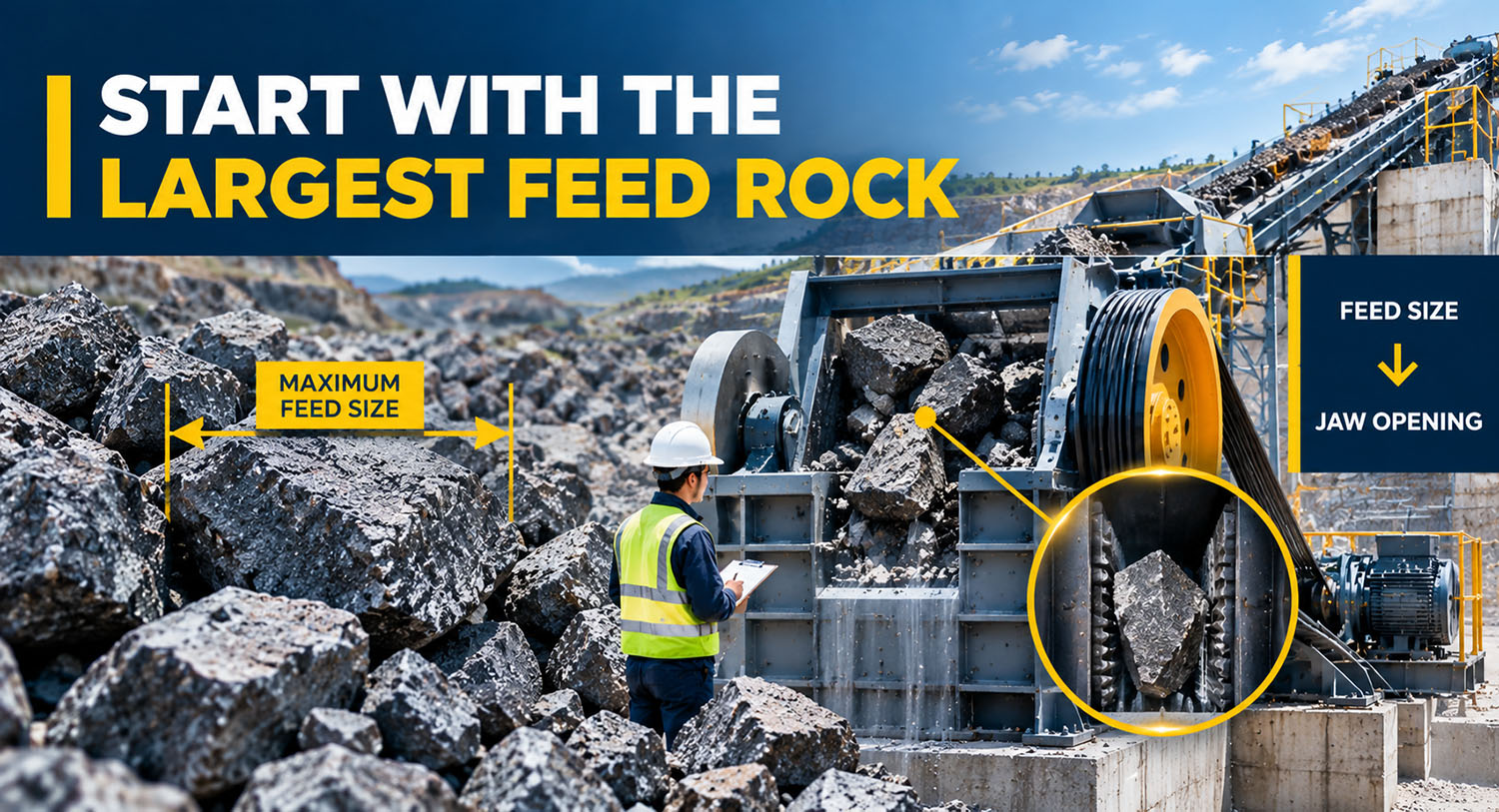
Before selecting a mobile crusher model, prepare clear production requirements. The maximum feeding size determines the required crusher inlet size. The target capacity determines the machine model, engine power, feeder capacity and conveyor configuration.
For example, a customer who needs 100 tons per hour of 0–5 mm, 5–10 mm and 10–20 mm aggregate will need a different configuration from a customer who only needs to reduce large stones into 0–40 mm road base material.
Please prepare the following information before requesting a mobile crusher quotation:
- Type of raw material, such as granite, limestone, basalt, river stone or concrete waste
- Maximum feeding size in millimeters
- Required production capacity, such as 50 TPH, 100 TPH, 150 TPH or 200 TPH
- Required final product sizes, such as 0–5 mm, 5–10 mm, 10–20 mm and 20–40 mm
- Required application, including road base, concrete aggregate, railway ballast or manufactured sand
- Whether the equipment needs to move frequently between project sites
- Local power, fuel, transport and maintenance conditions
Mobile Jaw Crusher vs Mobile Impact Crusher vs Mobile Cone Crusher
There are three common mobile crusher types: mobile jaw crusher, mobile impact crusher and mobile cone crusher. Each machine has a different role in the crushing process. Choosing the correct equipment depends on the material, required output and final aggregate specification.
| Mobile Crusher Type | Main Application | Key Advantage | Suitable Material |
|---|---|---|---|
| Mobile Jaw Crusher | Primary crushing of large stones | Strong crushing ability for hard and abrasive materials | Granite, basalt, river stone, ore and hard rock |
| Mobile Impact Crusher | Secondary crushing, recycling and shaping | High reduction ratio and better aggregate shape | Limestone, concrete waste, bricks and asphalt |
| Mobile Cone Crusher | Secondary and tertiary crushing | Stable output and good performance for hard rock | Granite, basalt, river stone and crushed stone |
When Should You Choose a Mobile Jaw Crusher?
A mobile jaw crusher is commonly used as the first crushing stage in a stone crushing plant. It is designed to crush large rocks into smaller sizes before the material enters a secondary crusher or vibrating screen.
Mobile jaw crushers are especially suitable for hard stone quarry projects. They are often used for granite, basalt, river stone, iron ore and other abrasive materials. For a complete aggregate crushing solution, the mobile jaw crusher can work together with a mobile cone crusher and mobile screening plant.
Choose a mobile jaw crusher if your material is large, hard and abrasive, or if you need reliable primary crushing in a quarry or mining project.
When Should You Choose a Mobile Impact Crusher?
A mobile impact crusher is popular for limestone crushing, concrete recycling, asphalt recycling and construction waste processing. It breaks materials through impact force and can produce aggregate with a more cubical particle shape.
For recycled concrete, a mobile impact crusher can be equipped with a magnetic separator to remove steel reinforcement. The crushed material can then be used as recycled aggregate for road base, backfilling, construction materials or other local applications.
Choose a mobile impact crusher if you process medium-hard materials, require a high reduction ratio or want better-shaped aggregate products.
When Should You Choose a Mobile Cone Crusher?
A mobile cone crusher is commonly used for secondary and tertiary crushing. It is suitable for hard stone materials after primary crushing by a jaw crusher. The cone crusher can help produce smaller, more uniform aggregate for concrete plants, asphalt plants, road projects and commercial aggregate sales.
For a granite or basalt crushing project, a mobile jaw crusher can first reduce large stones. A mobile cone crusher can then process the material into smaller sizes, while a mobile screening plant separates different finished products.
Choose a mobile cone crusher if you need stable output, high-quality crushed stone and multiple final aggregate sizes from hard rock materials.
Typical Mobile Crushing Plant Configurations
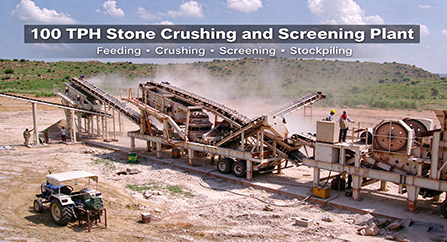
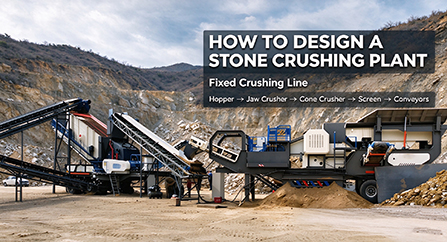
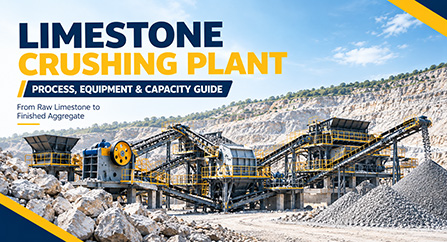
A complete mobile crushing plant can include a vibrating feeder, mobile jaw crusher, mobile impact crusher or mobile cone crusher, mobile screening plant, belt conveyors and stockpiling equipment. The final configuration should be based on raw material, capacity and finished aggregate requirements.
| Project Requirement | Recommended Configuration | Typical Application |
|---|---|---|
| 50–100 TPH limestone crushing | Mobile impact crusher + vibrating screen | Road base, concrete aggregate and construction material |
| 100–200 TPH granite crushing | Mobile jaw crusher + mobile cone crusher + screening plant | High-quality aggregate production |
| Construction waste recycling | Mobile impact crusher + magnetic separator + screen | Concrete and brick recycling |
| Small quarry project | Mobile jaw crusher + mobile screen | 0–40 mm road base material |
| Manufactured sand production | Jaw crusher + cone crusher + sand making machine + screen | 0–5 mm manufactured sand and fine aggregate |
Consider Total Operating Cost, Not Only Mobile Crusher Price
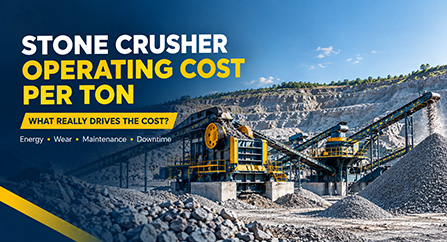
When comparing mobile crusher prices, do not focus only on the purchase cost. A complete investment evaluation should include fuel consumption, wear parts, maintenance requirements, transport cost, machine reliability, spare-parts availability and technical support.
A lower initial price may not provide the lowest total operating cost. For example, a machine with poor-quality wear parts or limited after-sales support may create more downtime and higher operating expenses over time.
Before buying a mobile crushing plant, ask the manufacturer for detailed technical specifications, main crusher model, engine brand, screen size, conveyor length, discharge height, spare-parts list, warranty terms and after-sales service scope.
Frequently Asked Questions About Mobile Crushers
Which mobile crusher is best for granite?
For granite and other hard rock materials, a mobile jaw crusher is usually recommended for primary crushing. A mobile cone crusher can be added for secondary crushing when smaller aggregate sizes and higher product quality are required.
Which mobile crusher is suitable for limestone?
A mobile impact crusher is often a suitable solution for limestone because it can provide efficient crushing and a good particle shape. A mobile jaw crusher can also be used when the feeding size is large or when primary crushing is required.
Can a mobile crushing plant produce different aggregate sizes?
Yes. With a mobile vibrating screen and return conveyor system, the plant can separate different products such as 0–5 mm, 5–10 mm, 10–20 mm and 20–40 mm aggregate.
What is needed before selecting a mobile crusher?
Please provide the material type, maximum feeding size, required capacity, final product sizes, project location, local operating conditions and budget. This information helps the manufacturer recommend a suitable mobile crusher model and configuration.
Get a Mobile Crusher Solution from HAMAC
HAMAC provides mobile jaw crushers, mobile impact crushers, mobile cone crushers, tracked screening plants and complete mobile crushing solutions for quarry, mining, aggregate and recycling projects.
Send us your raw material, feeding size, required capacity and final product sizes. Our technical team can recommend a suitable machine model, crushing process flow, equipment configuration and quotation for your project.